For centuries, commodities such as gold, oil, and wheat have been the backbone of global economies. With technology, these once physical-only assets are now easily accessible to individual traders. Through online commodities trading, anyone can participate in global markets, speculating on price movements without having to own or store the physical goods.
Online commodities trading allows investors to access markets for oil, metals, and agricultural goods directly from their computer or phone. It eliminates the need to physically own these resources while still benefiting from price changes.
Why Commodities Are a Popular Investment
Commodities are appealing because they behave differently from traditional assets like stocks or bonds. Traders using Insipix commodities trading platforms often follow commodities as a way to diversify exposure and respond to inflation or changing economic conditions.
Key Benefits of Commodities
- Portfolio diversification
- Protection against inflation
- High liquidity in major markets
- Opportunities across global time zones
Commodities act as a natural hedge in uncertain economic times. When stock markets decline, assets like gold and oil often maintain or increase in value, offering balance to an investment portfolio.
How Online Commodities Trading Works
Trading commodities online usually involves speculating on whether prices will rise or fall. This can be done through contracts such as futures or via spot trading, where assets are bought or sold at the current market price. Platforms provide real-time access to markets and tools to monitor price movements.
Factors That Influence Prices
- Supply and demand: A tight supply or high demand raises prices. Traders following energy commodities trading markets closely monitor geopolitical tensions and production disruptions because they can strongly affect oil and gas prices.
- Geopolitics: Conflicts, sanctions, or policy changes impact oil and gas.
- Seasons and weather: Agricultural production is highly weather-dependent.
- Currency shifts: A strong U.S. dollar usually pushes commodity prices lower.
| Commodity | Major Price Driver | Example Event |
| Oil | Geopolitics | Conflict in oil-producing regions |
| Gold | Inflation/interest rates | Central bank policy announcements |
| Wheat | Seasonal/weather changes | Drought in key production countries |
Commodity prices often rise when supply is disrupted. For example, a drought in a major wheat-producing country can quickly push global wheat prices higher.
Strategies for Success in Commodities Trading
Short-Term vs Long-Term
Short-term traders may focus on daily or weekly price swings, while long-term traders look at broader trends like supply chain disruptions or economic cycles. Similar principles are often applied in agricultural commodities trading where weather conditions and seasonal demand play a major role in market direction.
Common Trading Strategies
- Trend following: Trading in the direction of market momentum.
- Range trading: Buying low and selling high within price boundaries.
- Fundamental analysis: Studying reports, production, and global demand.
- Hedging: Protecting other investments by offsetting commodity exposure.
One of the most reliable approaches in commodities is trend following. Traders monitor market direction and place trades in line with ongoing momentum instead of betting against it.
Risks and How to Manage Them
Commodities can be volatile, moving sharply in response to geopolitical events, weather conditions, or economic data. While leverage increases potential returns, it can also magnify losses. Successful traders focus on protecting their capital as much as generating profit.
Practical Risk Management Tools
- Use stop-loss orders to exit losing trades.
- Apply position sizing to avoid overexposure.
- Diversify across several commodities.
- Stay informed with market updates.
Effective risk management in online commodities trading means protecting capital. Using stop-loss orders ensures that traders exit losing positions automatically before losses become unmanageable.
Getting Started with Commodities
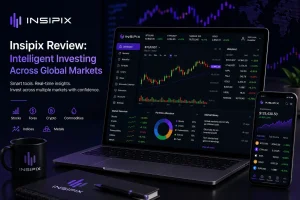
Getting started is straightforward. Many traders begin through an Insipix online broker account, where they can access live commodity markets, charting tools, and demo environments before trading real funds. From there, you can explore global markets with real-time data and advanced charting tools. Many platforms also provide demo accounts, giving beginners the chance to practice strategies without financial risk.
To begin trading commodities, register an account, complete quick verification, and add funds. Within minutes, you can explore live markets and trade commodities alongside other asset classes.
Conclusion
Commodities have always played a critical role in global trade, and with modern digital platforms, they are now accessible to everyday traders. By understanding the factors that drive prices, applying effective strategies, and practicing strong risk management, anyone can step into this dynamic market with confidence. Whether it’s oil, gold, or agricultural goods, online commodities trading offers unique opportunities and challenges. With the right tools and knowledge, traders can participate in markets that once belonged only to institutions, seizing chances to diversify and grow their portfolios.